


The Intriguing World of Paper Mill Machines: Crafting the Future of Pulp
Jan 22,2025
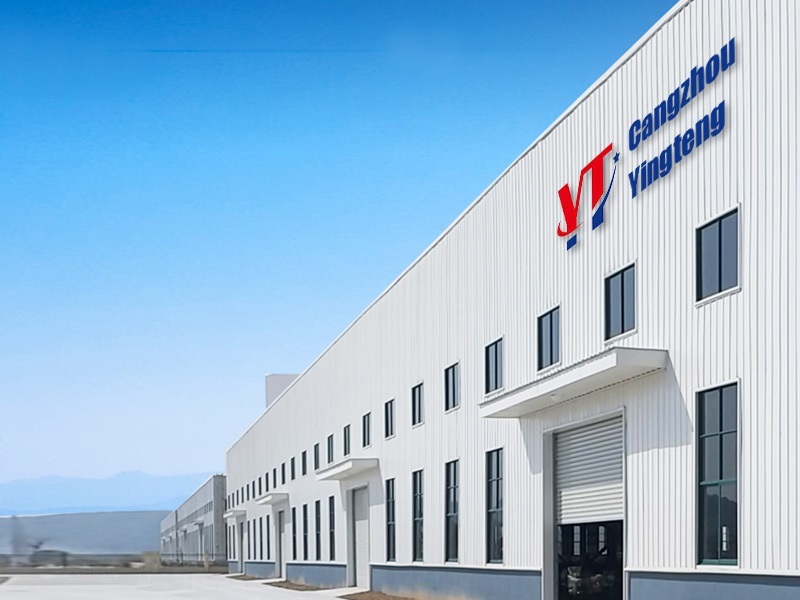
Unveiling the Paper Mill Machine
Ever wondered how that crisp sheet of paper ends up on your desk? Well, let me introduce you to the unsung hero of the paper industry—the paper mill machine! This incredible contraption is where the magic happens, transforming raw materials into the paper we often take for granted.
A Quick Journey Through History
Believe it or not, the origins of paper can be traced back to ancient China around 105 AD. Fast forward a couple of centuries, and we see the emergence of the first paper mill machines in Europe during the 15th century. These early machines were rudimentary at best, but they laid the groundwork for what would eventually evolve into modern paper production.
How Does a Paper Mill Machine Work?
So, how does this mechanical marvel work? It’s a bit like a well-choreographed dance, where each component plays an essential role. First off, raw materials, typically wood pulp, are fed into the machine. This pulp, made from trees, undergoes a series of processes, including refining, bleaching, and drying. The end goal? To create a smooth, uniform sheet of paper.
The Components of a Paper Mill Machine
Now, let’s break it down. A typical paper mill machine consists of several key parts:
- Headbox: This is where the pulp suspension is evenly distributed onto the moving wire, essentially setting the stage for the paper to take shape.
- Wire Section: Think of this as a conveyor belt made of fine mesh. It allows water to drain while keeping the pulp fibers intact.
- Press Section: Here, the paper thickness is controlled by squeezing out excess water between large rollers.
- Drying Section: As the name suggests, this section dries the paper using heated rollers and air, ensuring it’s ready for cutting.
- Reeling Section: Finally, the finished product is rolled up into large reels, ready to be shipped off to various industries.
The Environmental Impact
In today’s eco-conscious world, it’s crucial to consider the environmental implications of paper production. While modern paper mill machines have made significant strides in reducing waste and energy consumption, the industry still faces challenges. Innovations like recycling and the use of sustainable materials are becoming increasingly prevalent, proving that we can enjoy our paper products while being kind to Mother Earth!
The Future of Paper Mill Machines
With digitalization on the rise, one might ask—what does the future hold for paper mill machines? Surprisingly, the demand for paper products remains robust despite the digital age. Think about it—books, packaging, and even toilet paper! The need for innovative paper solutions is greater than ever. The focus is shifting towards automation and smart technology, which will enhance efficiency and sustainability in the production process.
Conclusion: More Than Just Machines
In conclusion, the paper mill machine is more than just a piece of equipment; it's a symbol of human ingenuity and adaptation. The next time you jot down notes or print out that all-important document, take a moment to appreciate the fascinating journey that piece of paper has taken, all thanks to the intricate workings of the paper mill machine. Who knew something so simple could have such a complex and rich history?

