


Unveiling the Secrets of Hard Board Production Line Efficiency
May 15,2025
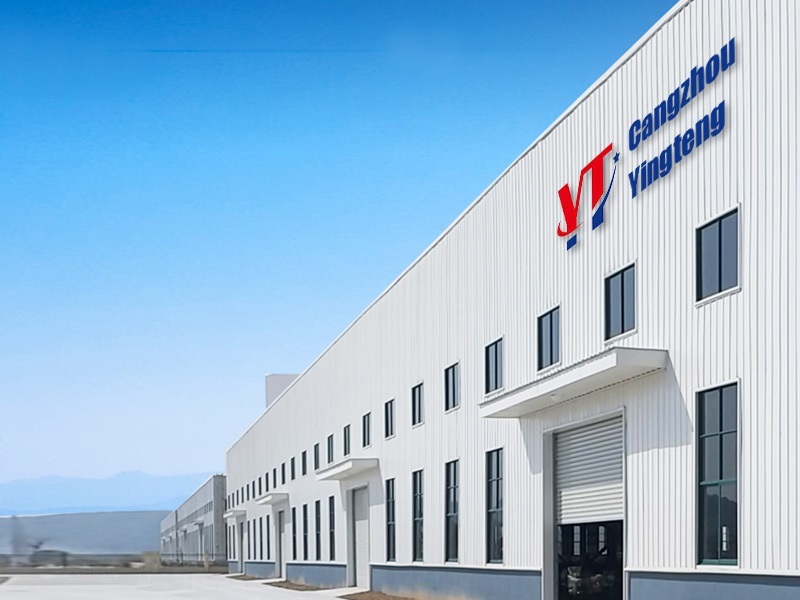
Understanding the Hard Board Production Line
In the bustling world of manufacturing, the Hard Board Production Line stands out as a pivotal player. This sophisticated setup is designed to transform raw materials into sturdy hardboards that are essential in various industries, from furniture to construction. But what exactly goes into the production process? Buckle up as we delve into the nitty-gritty!
The Basics: What is Hard Board?
First things first, let’s define what we mean by hard board. Typically made from wood fibers, hard board is a dense, rigid board that’s often used for its durability and versatility. It’s a go-to material for cabinetry, flooring, and even arts and crafts. With the ever-growing demand for sustainable and robust materials, the hard board production line is more important than ever!
The Production Process: Step by Step
Now, let’s break down the hard board production line into digestible chunks. Here’s how it generally works:
1. Raw Material Preparation
Everything starts with raw materials. Wood chips or fibers are collected and prepared. This may involve drying and screening to ensure the right quality. You wouldn’t want any unwanted debris messing up the final product!
2. Fiber Processing
Next, the fibers are processed through a series of machines that break them down into a pulp. This is where the magic happens! The pulp is mixed with adhesives and other additives to enhance the board's properties.
3. Forming
Once the pulp is ready, it’s spread out on a conveyor belt in a thin layer. This layer is then compressed into sheets under high pressure. Talk about turning up the heat!
4. Drying
Post-compression, the sheets are sent through drying machines where moisture is evaporated. This step is crucial, as it ensures the boards achieve their desired strength and durability.
5. Cutting and Finishing
Finally, the dried boards are cut to size and finished, ready to meet the specifications of various industries. Voila! Hard boards are now ready to be shipped out.
Why Efficiency Matters
In today’s competitive market, efficiency is king. A well-oiled Hard Board Production Line means faster production times, lower costs, and ultimately, happier customers. But how do manufacturers ensure their lines run smoothly?
1. Regular Maintenance
Just like a car, machinery needs routine check-ups. Regular maintenance schedules help prevent breakdowns and extend the lifespan of equipment.
2. Employee Training
Investing in employee training is essential. Knowledgeable staff can operate machines efficiently and troubleshoot issues before they escalate.
3. Technology Integration
Incorporating modern technology, such as automation and AI, can revolutionize the production line. These advancements lead to increased precision and reduced waste.
Challenges in the Industry
Of course, it’s not all sunshine and rainbows. The Hard Board Production Line faces its fair share of challenges. From sourcing sustainable raw materials to adhering to environmental regulations, manufacturers must navigate a complex landscape. But hey, that’s what keeps the industry on its toes!
Looking Ahead: The Future of Hard Board Production
As we move forward, the hard board industry is poised for change. With a growing emphasis on sustainability and efficiency, manufacturers are exploring greener production methods. Innovations like bio-based adhesives and recycled materials are gaining traction, ensuring the hard board production line evolves.
In Conclusion
To wrap it up, the Hard Board Production Line is a fascinating blend of technology, skill, and sustainability. As the demand for hard boards continues to rise, so does the need for efficient production practices. By embracing modern techniques and addressing industry challenges head-on, manufacturers can not only keep up but also thrive in this dynamic market.

